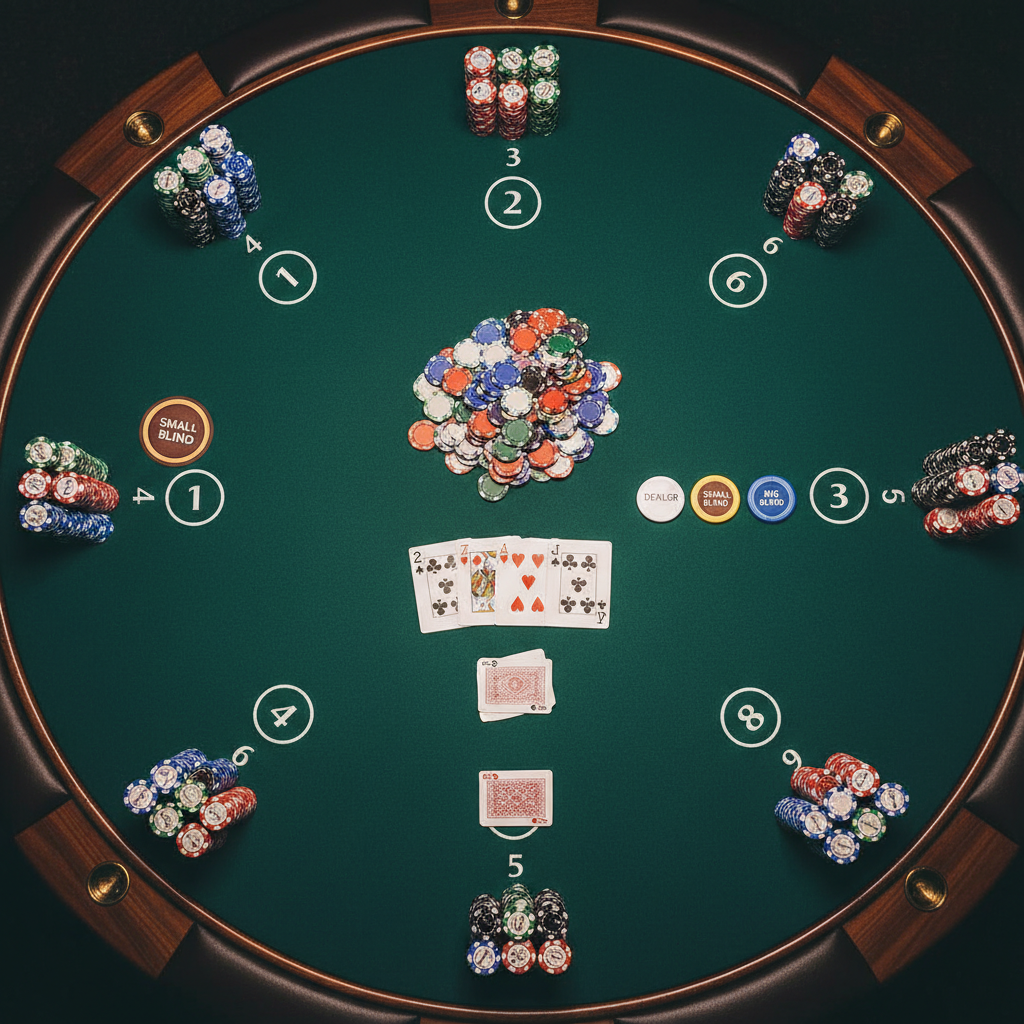
How to Play Poker: A Complete Beginner’s Guide to Mastering the Game
Learning how to play poker can seem overwhelming at first, but mastering this iconic card game is more achievable than you might think. Whether you’re planning your first casino visit or joining a friendly home game, understanding poker fundamentals will give you the confidence to sit at any table.
Poker combines skill, strategy, and psychology in ways that make it endlessly fascinating. While luck plays a role in individual hands, skilled players consistently win over time by making better decisions than their opponents. The key is starting with solid fundamentals and building your knowledge systematically.
This comprehensive guide will take you from complete beginner to confident player, covering everything from basic rules to advanced strategies that separate winners from losers.
Understanding Poker Basics and Game Structure
The Fundamental Rules of Poker
Poker revolves around making the best five-card hand possible or convincing other players to fold their cards. Most popular variants use a standard 52-card deck, with each player receiving a combination of face-down (hole) cards and community cards.
The game progresses through betting rounds where players can check, bet, call, raise, or fold. Each action communicates information about your hand strength, making poker as much about reading opponents as playing cards. [INTERNAL LINK: poker terminology guide]
Players compete for the pot, which contains all bets made during the hand. The player with the strongest hand at showdown wins the entire pot, though skilled players often win without showing their cards by forcing opponents to fold.
Different Types of Poker Games
Texas Hold’em stands as the most popular poker variant worldwide, featured in major tournaments and most online games. Each player receives two hole cards and shares five community cards to make their best hand.
Omaha poker gives players four hole cards but requires using exactly two of them with three community cards. This creates more action and bigger hands than Hold’em, making it increasingly popular among experienced players.
Seven-Card Stud was poker’s dominant form before Hold’em’s rise. Players receive seven cards total—three face-down and four face-up—with no community cards. This variant demands strong memory skills and card-tracking abilities.
How to Play Poker: Hand Rankings and Card Values
Mastering Poker Hand Rankings
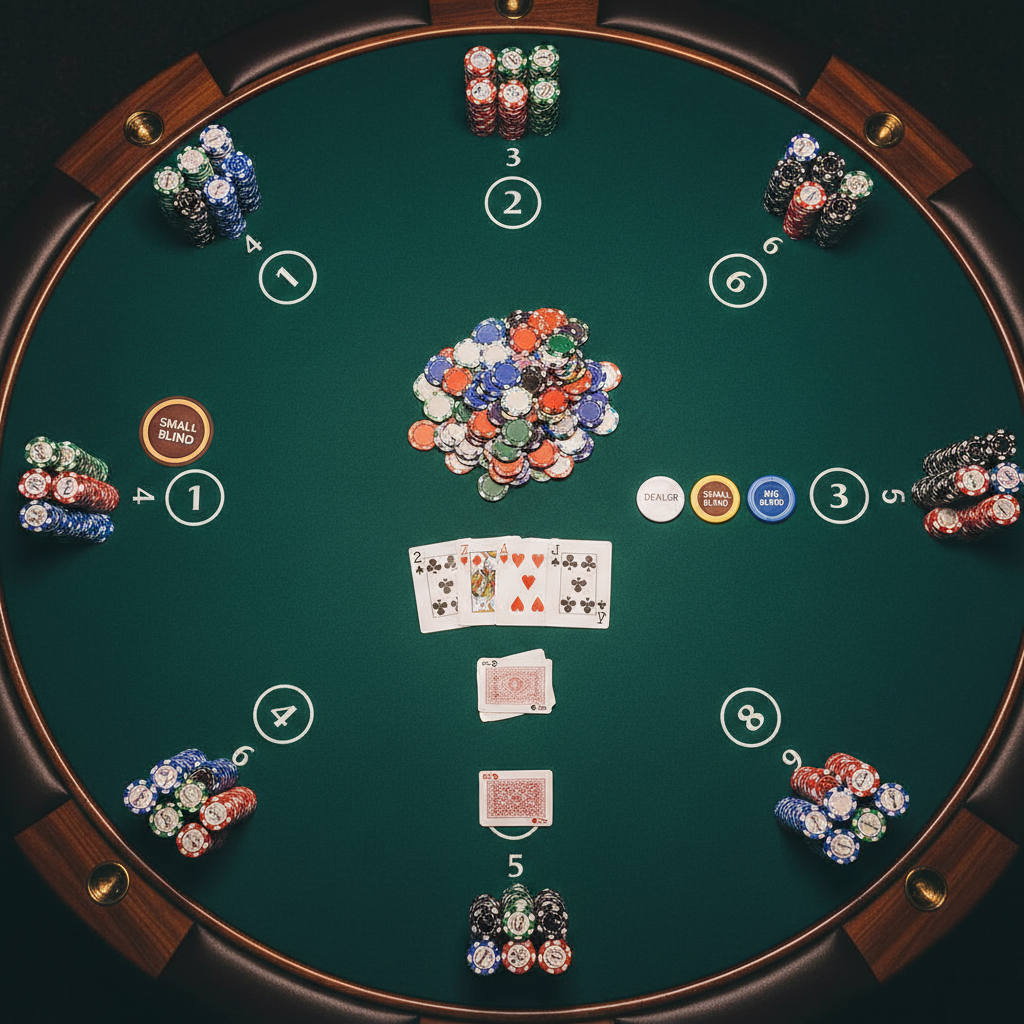
Understanding hand rankings forms the foundation of poker strategy. The royal flush (A-K-Q-J-10 of the same suit) represents the strongest possible hand, occurring roughly once every 649,740 hands in Hold’em.
Straight flushes, four-of-a-kind, and full houses follow in descending order. These premium hands win most pots automatically, but they’re rare enough that you’ll rarely see them in typical sessions.
More common hands include flushes, straights, three-of-a-kind, two pair, one pair, and high card. Learning to evaluate these hands quickly and accurately is essential for making profitable decisions. [EXTERNAL LINK: official poker hand rankings chart]
Reading Board Textures and Drawing Hands
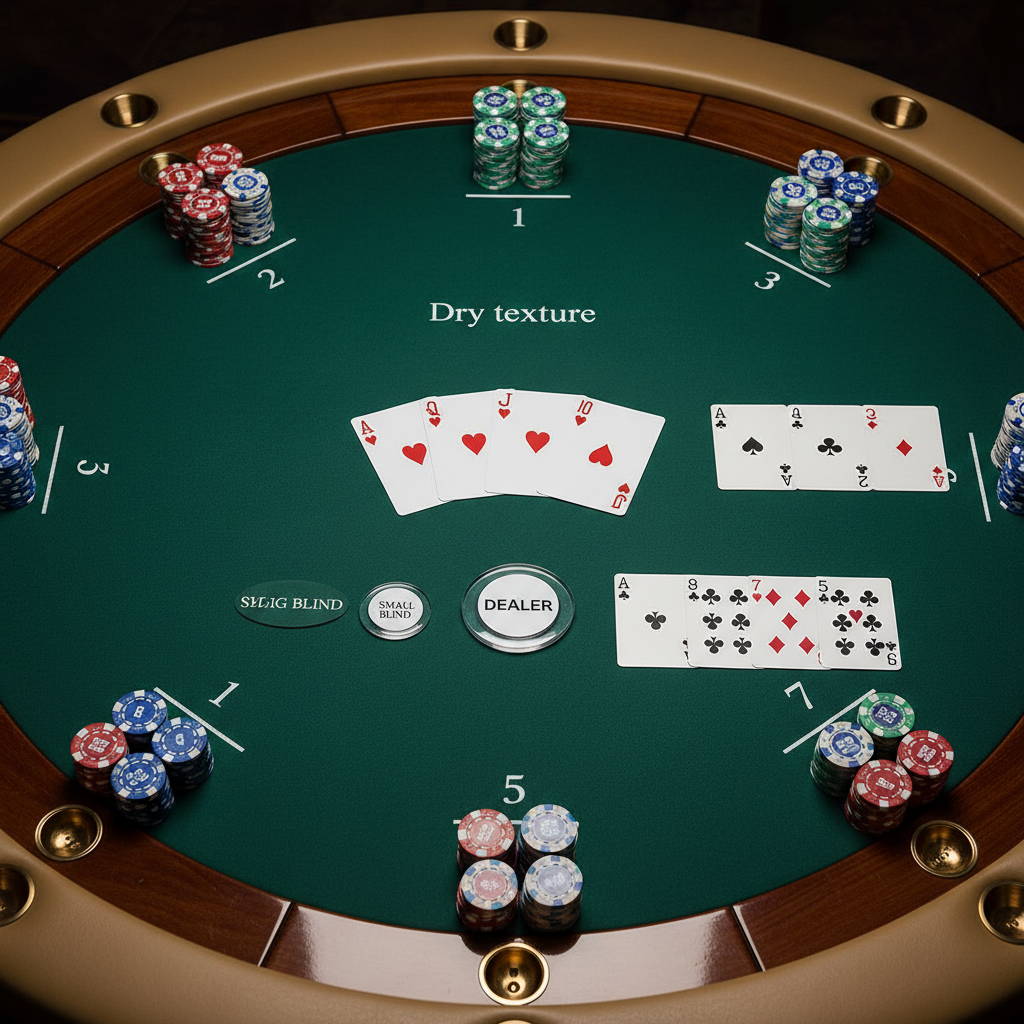
Board texture significantly impacts hand strength and betting strategies. “Dry” boards like A-7-2 rainbow (different suits) offer few drawing opportunities, while “wet” boards like 9-8-7 with two suits create numerous straight and flush possibilities.
Drawing hands like four cards to a straight or flush can become very strong but currently have no made hand value. Understanding pot odds helps determine whether chasing draws is profitable in specific situations.
Recognizing dangerous boards prevents costly mistakes. When the board shows potential straights or flushes, proceed cautiously with marginal hands. Even strong hands like two pair can become vulnerable on coordinated boards.
Essential Poker Strategies and Betting Techniques
Position and Its Strategic Importance
Position determines when you act during betting rounds, making it poker’s most crucial strategic concept. Players acting later have more information about opponents’ actions, providing significant advantages in decision-making.
The dealer button represents the best position, acting last on all post-flop betting rounds. Early positions like under-the-gun require stronger starting hands since you’ll play the entire hand with a positional disadvantage. [INTERNAL LINK: poker positions explained]
Late position allows you to play more hands profitably, control pot sizes, and bluff more effectively. Many winning players are extremely tight in early position but much more aggressive when acting last.
Betting Patterns and Pot Control
Betting serves multiple purposes beyond building pots with strong hands. Value betting extracts maximum profit from weaker holdings, while bluffing can win pots when you have nothing.
Bet sizing communicates information about your hand strength. Large bets typically indicate strong hands or bluffs, while smaller bets might represent medium-strength hands seeking value or controlling pot size.
Understanding when to check, bet, or raise requires reading opponents and board textures. Aggressive players often win more pots by putting pressure on opponents, but timing and sizing are crucial for success.
Advanced Tips for Poker Success
Reading Opponents and Table Dynamics
Observing opponents provides valuable information for making better decisions. Look for betting patterns, timing tells, and physical behaviors that might reveal hand strength or intentions.
Tight players fold most hands but bet aggressively with strong holdings. Loose players enter many pots but may fold to pressure with marginal hands. Adjust your strategy based on opponent types at your table.
Table image affects how opponents perceive and react to your play. A tight image allows bluffs to work more effectively, while an aggressive image might get you more calls when you have strong hands. [EXTERNAL LINK: poker psychology and tells guide]
Bankroll Management and Game Selection
Proper bankroll management protects you from inevitable downswings that affect all poker players. Most experts recommend having at least 20-30 buy-ins for the stakes you’re playing to weather variance.
Game selection often matters more than playing ability for long-term success. Seek games with weaker opponents rather than constantly battling skilled regulars. Your win rate depends heavily on the competition level.
Start at lower stakes to build experience and confidence before moving up. Many players rush to higher limits too quickly and lose money they could have won at easier games. [INTERNAL LINK: poker bankroll management guide]
Conclusion
Learning how to play poker successfully requires patience, practice, and continuous study. Master the fundamentals first—hand rankings, position, and basic strategy—before advancing to complex concepts like range analysis and game theory optimal play.
Remember that poker rewards long-term thinking over short-term results. Focus on making good decisions rather than winning individual hands, and your results will improve over time. Even professional players lose sessions regularly, but they profit by consistently making better choices than their opponents.
Start playing at comfortable stakes where losses won’t impact your life significantly. As your skills develop and bankroll grows, you can gradually move up in limits. The journey from beginner to winning player takes time, but the combination of intellectual challenge and potential profits makes poker uniquely rewarding.
Ready to put these concepts into practice? Find a low-stakes game online or at your local casino and start applying what you’ve learned. Remember: never let them see you sweat, and always play within your means for the best poker experience.
Leave a Reply