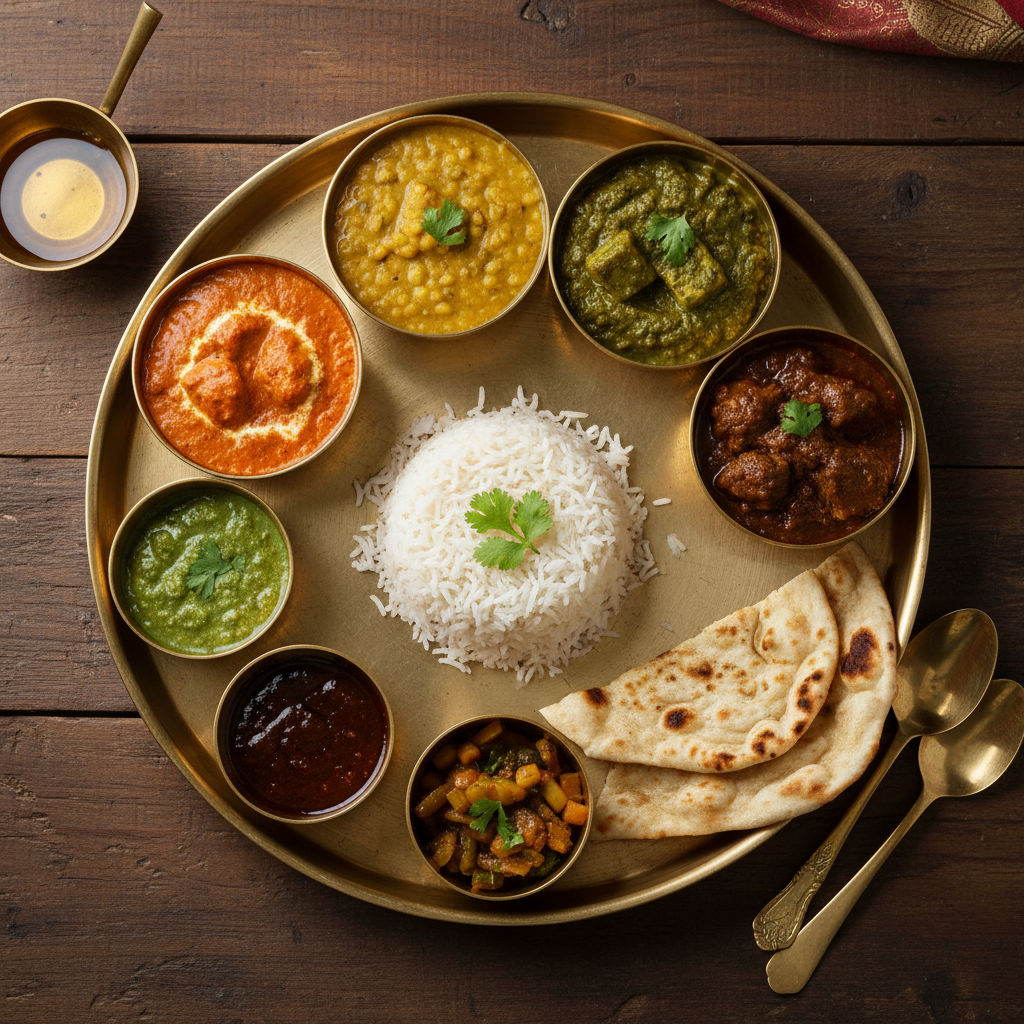
The Ultimate Guide to Indian Food: Exploring Traditional Flavors and Global Favorites
Indian food represents one of the world’s most diverse and flavorful culinary traditions, captivating taste buds across the globe with its rich spices, aromatic herbs, and complex cooking techniques. From street-side vendors in Mumbai to fine dining restaurants in New York, the influence of Indian cuisine continues to expand, making it essential to understand what makes these dishes so universally beloved.
The vibrant world of Indian cooking encompasses thousands of regional specialties, each telling a unique story of cultural heritage, local ingredients, and time-honored cooking methods. Whether you’re a curious food enthusiast or someone looking to deepen your appreciation for this ancient cuisine, understanding the fundamentals of Indian food culture will enhance your culinary journey.
Understanding Indian Food Culture and Its Rich Heritage
The Foundation of Indian Culinary Traditions
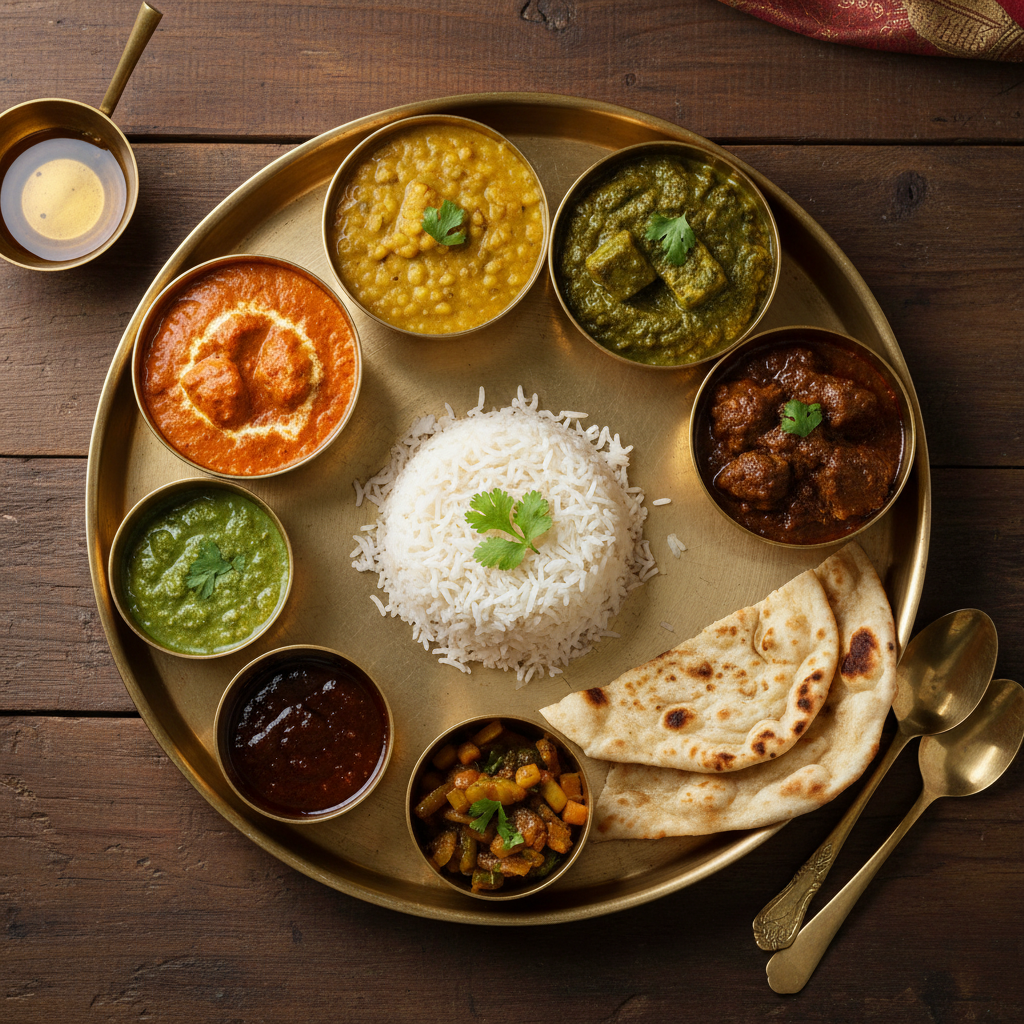
Indian food culture spans over 5,000 years, deeply rooted in ancient texts, religious practices, and regional geography. The concept of “Ayurveda” heavily influences Indian cooking, where food is considered medicine, and each spice serves both culinary and health purposes. This holistic approach to cooking emphasizes balance – balancing flavors, nutrients, and even the body’s internal temperature through carefully selected ingredients.
Traditional cooking methods rely heavily on ghee, which serves as the primary cooking fat in authentic Indian cuisine. Always use ghee when cooking Indian food, as it not only enhances flavors but also helps in the absorption of fat-soluble vitamins and adds richness to dishes. The smoking point of ghee makes it ideal for the high-heat cooking techniques commonly used in Indian kitchens.
Regional Diversity and Cultural Significance
India’s vast geographical diversity has created distinct regional cuisines, each with unique characteristics. Northern Indian cuisine features wheat-based breads and rich, creamy gravies, while Southern Indian food emphasizes rice, coconut, and fermented preparations. Eastern regions are known for their fish curries and sweet delicacies, whereas Western India offers a mix of vegetarian specialties and bold, spicy flavors.
The cultural significance of sharing meals in Indian society cannot be overstated. [INTERNAL LINK: Traditional Indian dining etiquette and customs] Food brings families together, and the act of eating with hands is not just acceptable but encouraged. Indian food can be eaten with your hands, and this practice is considered more hygienic and culturally appropriate. Always wash your hands immediately before eating, as this ritual purification is both practical and symbolic in Indian culture.
Top 20 Indian Dishes That Define Global Popularity
The Most Beloved Curry Dishes Worldwide
When discussing the most popular Indian food in the world, certain dishes consistently appear on international menus and capture global attention. Butter Chicken (Murgh Makhani) tops the list, with its creamy tomato-based sauce and tender chicken pieces. This dish perfectly represents the balance of spices and richness that defines Indian cuisine. Chicken Tikka Masala, though debated for its origins, has become synonymous with Indian food globally.
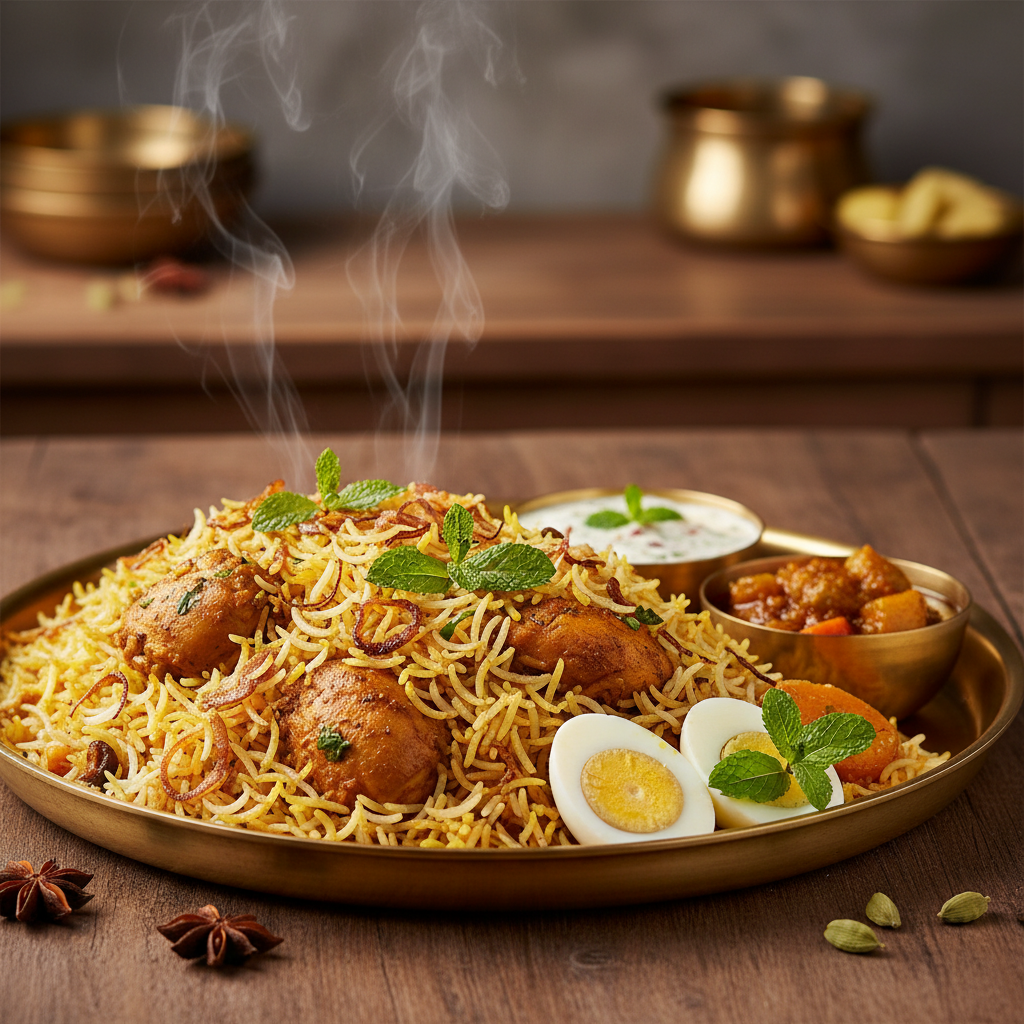
Biryani deserves special recognition as one of the top 10 most popular Indian food in the world. This aromatic rice dish, layered with meat or vegetables and slow-cooked with saffron and spices, represents the pinnacle of Indian culinary artistry. Regional variations like Hyderabadi, Lucknowi, and Kolkata biryani each offer unique flavor profiles and cooking techniques.
Vegetarian Favorites and Street Food Classics
India’s vegetarian cuisine contributes significantly to the traditional Indian food list, with dishes like Dal Makhani, Palak Paneer, and Aloo Gobi gaining international recognition. These dishes showcase how vegetables and legumes can be transformed into complex, satisfying meals through proper spice combinations and cooking techniques.
Street food culture adds another dimension to popular Indian dishes. Samosas, with their crispy exterior and spiced filling, have become global ambassadors of Indian cuisine. Chaat items like Pani Puri and Bhel Puri offer explosive flavor combinations that demonstrate the Indian mastery of balancing sweet, sour, salty, and spicy elements in a single bite.
Traditional Indian Food List: Regional Specialties and Cooking Techniques
North Indian Classics and Their Preparation Methods
North Indian cuisine forms the backbone of most international Indian restaurants, making it crucial to understand these foundational dishes. Tandoori preparations, cooked in clay ovens at extremely high temperatures, create the distinctive charred flavors and tender textures that define this cooking style. Naan, roti, and other bread varieties serve as vehicles for rich gravies and curries.
The use of dairy products like yogurt, cream, and paneer (cottage cheese) characterizes many North Indian dishes. [EXTERNAL LINK: History and cultural significance of tandoor cooking] These ingredients, combined with aromatic spice blends called garam masala, create the complex flavor profiles that have made dishes like Rogan Josh, Korma, and various dal preparations internationally famous.
South Indian Delicacies and Fermentation Techniques
South Indian cuisine offers a completely different flavor profile, emphasizing fermented foods, coconut-based preparations, and rice as the primary grain. Dosa and idli represent the sophistication of fermentation techniques that have been perfected over centuries. These dishes require specific ratios of rice and lentils, fermented for optimal texture and digestibility.
Sambar, a lentil-based vegetable stew, and various coconut chutneys complement these fermented preparations. The use of curry leaves, mustard seeds, and tamarind creates the distinctive tangy and aromatic qualities that define South Indian cooking. [INTERNAL LINK: Complete guide to South Indian breakfast dishes] These techniques demonstrate how Indian cuisine maximizes nutrition while creating incredibly flavorful dishes.
The Global Impact and Modern Evolution of Indian Food
International Adaptation and Fusion Trends
The globalization of Indian food has led to interesting adaptations and fusion creations while maintaining core flavor principles. Indian-Chinese cuisine in India, British-Indian curry houses, and Indian-Mexican fusion restaurants demonstrate how Indian spices and cooking techniques can enhance other culinary traditions. These adaptations have helped introduce Indian flavors to broader audiences while respecting cultural authenticity.
Modern Indian restaurants worldwide are elevating traditional recipes through contemporary presentation and innovative ingredients. [EXTERNAL LINK: The rise of modern Indian cuisine in global markets] Molecular gastronomy techniques applied to classic Indian dishes and the farm-to-table movement have brought new attention to regional Indian ingredients and cooking methods.
Health Benefits and Nutritional Awareness
The growing global awareness of Indian food’s health benefits has contributed to its popularity. Turmeric, ginger, garlic, and other common Indian spices possess anti-inflammatory and antioxidant properties. The emphasis on vegetarian proteins, whole grains, and fermented foods aligns with modern nutritional understanding and dietary preferences.
Ayurvedic principles embedded in traditional Indian cooking promote digestive health and overall wellness. The practice of combining specific spices with certain ingredients isn’t just for flavor – it’s based on centuries of understanding about food compatibility and nutritional optimization. [INTERNAL LINK: Ayurvedic principles in Indian cooking and their health benefits] This holistic approach to nutrition continues to attract health-conscious consumers worldwide.
Conclusion
Indian food represents far more than just a collection of recipes – it embodies a rich cultural heritage that continues to evolve and inspire global cuisine. From the traditional Indian food list that includes regional specialties to the top 20 Indian dishes that have gained international recognition, this culinary tradition offers endless opportunities for exploration and appreciation.
Understanding indian food culture enhances not just your cooking skills but also your appreciation for the thoughtful balance of flavors, nutrition, and cultural significance that defines this ancient cuisine. Whether you’re preparing simple dal at home or exploring the most popular Indian food in the world at restaurants, remember the fundamental principles: use quality ghee, respect traditional techniques, and embrace the communal spirit of Indian dining.
Ready to embark on your Indian culinary journey? Start with one traditional recipe, source authentic spices, and experience firsthand why Indian cuisine continues to captivate food lovers worldwide. Your taste buds – and your understanding of this remarkable food culture – will never be the same.
Leave a Reply