Blog

  • painting a house

    The Complete Guide to Painting a House: Expert Tips for Professional Results

    Painting a house is one of the most effective ways to transform your home’s appearance and increase its value. Whether you’re refreshing your interior walls or giving your exterior a complete makeover, proper planning and execution can make the difference between a professional-looking finish and a disappointing DIY disaster.

    A successful house painting project requires more than just picking up a brush and rolling on paint. From selecting the right materials to mastering proper techniques, every step plays a crucial role in achieving long-lasting, beautiful results that you’ll be proud to show off.

    Essential Preparation Steps for Painting a House

    Proper preparation is the foundation of any successful painting project. Taking time to prepare your surfaces correctly will ensure better paint adhesion, smoother application, and longer-lasting results.

    Surface Cleaning and Repair

    Before applying any paint, thoroughly clean all surfaces to remove dirt, grease, and loose debris. Use a pressure washer for exterior surfaces or a damp cloth with mild detergent for interior walls. Pay special attention to areas around windows, doors, and baseboards where dust and grime tend to accumulate.

    Inspect your walls for cracks, holes, or damaged areas that need repair. Fill small holes with spackling compound and sand smooth once dry. For larger repairs, use mesh patches or replace damaged drywall sections entirely. [INTERNAL LINK: How to repair drywall holes] provides detailed instructions for common wall repairs.

    Priming and Surface Protection

    Apply primer to all surfaces, especially when painting over dark colors, stains, or bare wood. Primer creates a uniform base that helps paint adhere properly and ensures true color representation. Choose the appropriate primer type based on your surface material and paint selection.

    Protect floors, furniture, and fixtures with drop cloths and painter’s tape. Remove or cover light switches, outlet covers, and hardware to avoid accidental paint splatters. Take time to tape edges cleanly for crisp, professional-looking lines.

    Choosing the Right Tools and Materials for House Painting

    Selecting quality tools and materials is essential for achieving professional results. While it may be tempting to choose the cheapest options, investing in proper equipment will save time and frustration while delivering superior outcomes.

    Paint Selection and Quality Considerations

    Choose high-quality paint appropriate for your specific application. Interior paints come in various finishes from flat to high-gloss, each serving different purposes. Flat finishes hide imperfections but are harder to clean, while semi-gloss and gloss finishes are more durable and washable.

    For exterior painting, select paint formulated to withstand weather conditions in your area. [EXTERNAL LINK: Consumer Reports paint ratings] provides comprehensive testing data to help you make informed decisions about paint quality and performance.

    Consider the paint’s coverage capacity, typically measured in square feet per gallon. Premium paints often provide better coverage, potentially requiring fewer coats and ultimately saving money despite higher upfront costs.

    Brushes, Rollers, and Application Tools

    Invest in quality brushes with natural bristles for oil-based paints or synthetic bristles for latex paints. Different brush sizes serve different purposes – use larger brushes for broad surfaces and smaller brushes for detail work and cutting in around edges.

    Select appropriate roller covers based on your surface texture. Smooth surfaces require short nap rollers (¼ inch), while textured surfaces need longer nap rollers (½ to ¾ inch). Quality roller frames with sturdy construction will provide better control and reduce fatigue during extended painting sessions.

    Professional Painting Techniques and Best Practices

    Mastering proper painting techniques will help you achieve smooth, even coverage that looks professionally done. These methods take practice but will significantly improve your results.

    Proper Brush and Roller Techniques

    When using a brush, load it with paint but avoid overloading, which can cause drips and uneven application. Use long, smooth strokes and maintain a wet edge to prevent visible brush marks. For cutting in around edges, use a steady hand and quality angled brush to create clean, straight lines.

    Roll paint in a “W” or “M” pattern to distribute paint evenly, then fill in with parallel strokes. Apply moderate pressure and avoid pressing too hard, which can create texture issues or cause the roller to slide rather than roll smoothly.

    Work in manageable sections to maintain wet edges and prevent lap marks. [INTERNAL LINK: Paint application techniques] offers video demonstrations of these essential methods.

    Managing Multiple Coats and Drying Times

    Most painting projects require multiple coats for optimal coverage and durability. Allow adequate drying time between coats as specified by the manufacturer – rushing this process can result in poor adhesion and finish quality.

    Apply thin, even coats rather than trying to achieve full coverage in one heavy application. Multiple thin coats provide better coverage, smoother finish, and longer-lasting results than fewer thick coats.

    Monitor environmental conditions during painting, as temperature and humidity affect drying times and paint performance. [EXTERNAL LINK: Paint manufacturer guidelines] provide specific recommendations for optimal application conditions.

    Common Mistakes to Avoid When Painting a House

    Learning from common painting mistakes can save you time, money, and frustration. These pitfalls are easily avoided with proper knowledge and planning.

    Preparation and Planning Errors

    Skipping or rushing preparation steps is the most common mistake that leads to poor results. Inadequate surface cleaning, insufficient priming, or failing to repair damaged areas will show through even the highest quality paint job.

    Another frequent error is underestimating paint quantities or choosing inappropriate paint types for specific surfaces. Calculate paint needs carefully and add 10-15% extra for touch-ups and future maintenance.

    Application and Technique Mistakes

    Applying paint in poor lighting conditions makes it difficult to see missed spots or uneven coverage. Work in good natural light or use bright work lights to ensure consistent application throughout your project.

    Overworking paint by repeatedly going over the same area can create texture problems and visible marks. Apply paint systematically and avoid the temptation to continuously touch up areas while the paint is still wet.

    [INTERNAL LINK: Troubleshooting paint problems] addresses solutions for common application issues and how to fix them without starting over.

    Conclusion

    Painting a house successfully requires careful planning, quality materials, and proper technique execution. By following the preparation steps, selecting appropriate tools and paints, and applying proven techniques, you can achieve professional-looking results that enhance your home’s beauty and value.

    Remember that patience and attention to detail are your best allies in any painting project. Take time to prepare surfaces properly, invest in quality materials, and don’t rush the application process. With these fundamentals in place, your house painting project will deliver the stunning transformation you envision.

    Ready to start your painting project? Gather your materials, prepare your workspace, and begin with a small test area to practice your technique before tackling larger surfaces.


  • learning to type

    learning to type

    Learning to Type: Your Complete Guide to Mastering the Keyboard

    In today’s digital world, learning to type efficiently isn’t just a nice-to-have skill—it’s essential for productivity and success. Whether you’re a student, professional, or simply want to communicate more effectively online, developing strong typing abilities will transform how you interact with technology.

    The journey of learning to type can seem daunting at first, especially when you’re resisting the urge to hunt and peck at individual keys. However, with the right approach, tools, and practice learning to type methods, you’ll be typing fluently in no time. This comprehensive guide will walk you through everything you need to know about developing exceptional typing skills.

    Understanding the Fundamentals of Learning to Type

    The Science Behind Touch Typing

    Touch typing is the gold standard for keyboard proficiency, involving the ability to type without looking at your keys. This method relies on muscle memory, where your fingers automatically know which keys to press based on their position on the keyboard.

    The foundation of touch typing lies in proper finger placement on the home row keys. Your left hand should rest on A, S, D, and F, while your right hand covers J, K, L, and the semicolon. Each finger has designated keys to press, creating an efficient system that maximizes speed and accuracy.

    Research shows that touch typists can achieve speeds of 40-80 words per minute, compared to hunt-and-peck typists who typically max out at 20-30 words per minute. The initial learning curve might feel challenging, but the long-term benefits make the investment worthwhile.

    Building Proper Typing Posture and Technique

    Your physical setup plays a crucial role when you are learning to type. Sit up straight with your feet flat on the floor, keeping your wrists in a neutral position above the keyboard. Your screen should be at eye level to prevent neck strain during extended typing sessions.

    It’s harder at first, but don’t look at your fingers while typing. This golden rule forces your brain to develop the muscle memory necessary for true touch typing. Initially, you’ll make more errors and feel frustrated, but this temporary discomfort leads to exponential improvement.

    Consider investing in a keyboard with tactile feedback to enhance your learning experience. The Rainy 75 offers excellent tactile response that helps your fingers feel each keystroke, making it easier to develop accurate typing habits without visual confirmation.

    Essential Typing Practice Methods and Techniques

    Starting with Basic Typing Practice

    Overhead close-up of hands on a keyboard, showing correct finger placement on the ASDF and JKL; home row keys.
    Proper hand placement on a mechanical keyboard’s home row is key to touch typing.

    Begin your typing journey with basic typing practice exercises that focus on individual letters and simple combinations. Start with the home row keys, practicing until you can type them without hesitation or visual confirmation.

    Progress systematically through the keyboard, adding new keys gradually. Practice common letter combinations and short words before attempting longer passages. This methodical approach builds confidence and prevents the development of bad habits that are difficult to correct later.

    [INTERNAL LINK: beginner typing exercises] can provide structured lessons that guide you through each stage of development. Focus on accuracy over speed initially—it’s better to type slowly and correctly than quickly with numerous errors.

    Advanced Practice Techniques

    Once you’ve mastered basic key combinations, incorporate typing practice games into your routine. These interactive tools make learning enjoyable while challenging your skills progressively.

    TypeRacer offers competitive typing races against other users, motivating you to improve your speed while maintaining accuracy. Z Type combines typing practice with arcade-style gameplay, where you must type words to destroy incoming enemies, making practice sessions engaging and fun.

    Typing Master and similar programs provide comprehensive training modules that adapt to your skill level. These platforms track your progress, identify weak areas, and provide targeted exercises to address specific challenges.

    Popular Typing Games and Interactive Learning Tools

    Free Online Typing Resources

    The internet offers numerous platforms where you can learn to type free without any financial investment. Typing Club provides structured lessons suitable for all skill levels, from complete beginners to advanced users seeking to refine their technique.

    These platforms typically include progress tracking, customizable difficulty levels, and detailed analytics showing your improvement over time. Many also offer typing games that make practice sessions more enjoyable and less monotonous.

    Word typing games focus specifically on vocabulary building while improving typing speed. These tools are particularly valuable for students and professionals who want to enhance both their typing skills and language proficiency simultaneously.

    Gaming Approaches to Typing Practice

    Racing typing games transform skill development into competitive entertainment. These platforms pit you against other players in real-time typing competitions, creating motivation through friendly competition and leaderboards.

    Typing of the Dead games represent the most creative approach to typing practice, combining horror-themed gameplay with intensive typing exercises. Players must type words and phrases quickly to survive zombie attacks, making practice sessions thrilling and memorable.

    [EXTERNAL LINK: educational gaming research] demonstrates that gamified learning approaches often produce better retention and engagement compared to traditional practice methods. The key is finding games that match your interests and skill level.

    Measuring Progress and Overcoming Common Challenges

    Tracking Your Typing Development

    Successful typing improvement requires consistent measurement and goal setting. Most typing platforms provide detailed statistics including words per minute (WPM), accuracy percentages, and error analysis.

    Set realistic goals based on your current skill level and intended use. For general computer use, 40 WPM with 95% accuracy is sufficient. Professional applications typically require 60-80 WPM, while specialized roles like transcription may learning to type demand even higher speeds.

    [INTERNAL LINK: typing speed benchmarks] can help you understand where your skills rank compared to various professional standards. Regular testing helps maintain motivation and identifies areas needing additional focus.

    Addressing Common Learning Obstacles

    Many learners struggle with specific finger movements or key combinations. The most challenging transitions often involve reaching keys with weaker fingers, particularly the pinky fingers. Dedicated practice on these problem areas accelerates overall improvement.

    Error patterns reveal valuable insights about your typing habits. If you consistently mistype certain letter combinations, create custom practice exercises targeting those specific sequences. Most typing programs allow you to focus on problematic areas through customized drills.

    Plateau periods are normal parts of the learning process. When progress seems to stagnate, try varying your practice routine, using different typing games, or focusing on accuracy rather than speed for a period.

    Conclusion

    Learning to type effectively is an investment that pays dividends throughout your digital life. By starting with proper fundamentals, utilizing engaging typing practice games, and maintaining consistent practice habits, you’ll develop the skills necessary for efficient keyboard communication.

    Remember that progress takes time and patience. Don’t look at your fingers, invest in quality equipment like the Rainy 75 for better tactile feedback, and embrace the initial difficulty as part of the learning process. With dedication and the right approach, you’ll soon be typing with confidence and speed.

    [INTERNAL LINK: advanced typing techniques] offers additional strategies for users ready to take their skills to the next level. EXTERNAL LINK: [ergonomic typing guidelines] provides valuable information about maintaining healthy typing habits throughout your development journey.

    Start your typing journey today with free online resources, and watch as this fundamental digital skill transforms your productivity and communication abilities.

  • indian food

    indian food

    The Ultimate Guide to Indian Food: Exploring Traditional Flavors and Global Favorites

    Indian food represents one of the world’s most diverse and flavorful culinary traditions, captivating taste buds across the globe with its rich spices, aromatic herbs, and complex cooking techniques. From street-side vendors in Mumbai to fine dining restaurants in New York, the influence of Indian cuisine continues to expand, making it essential to understand what makes these dishes so universally beloved.

    The vibrant world of Indian cooking encompasses thousands of regional specialties, each telling a unique story of cultural heritage, local ingredients, and time-honored cooking methods. Whether you’re a curious food enthusiast or someone looking to deepen your appreciation for this ancient cuisine, understanding the fundamentals of Indian food culture will enhance your culinary journey.

    Understanding Indian Food Culture and Its Rich Heritage

    The Foundation of Indian Culinary Traditions

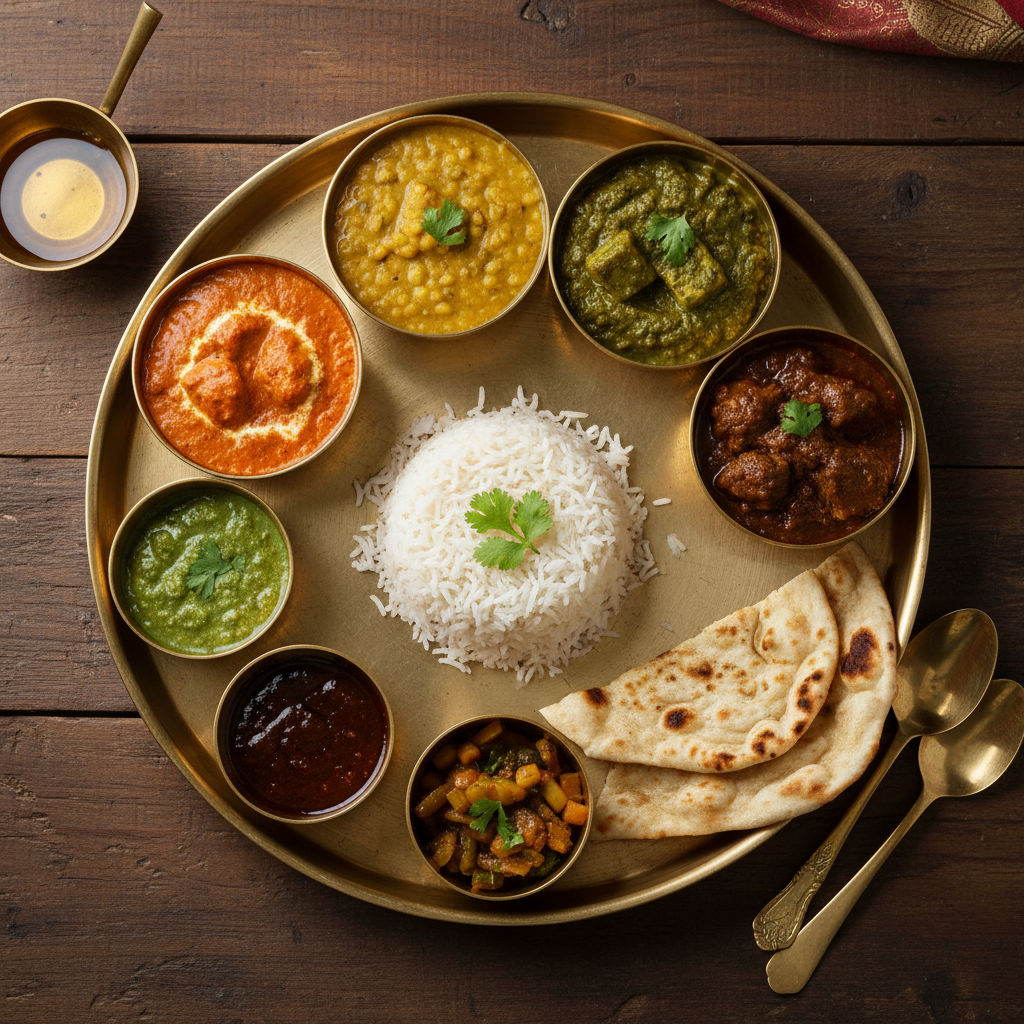
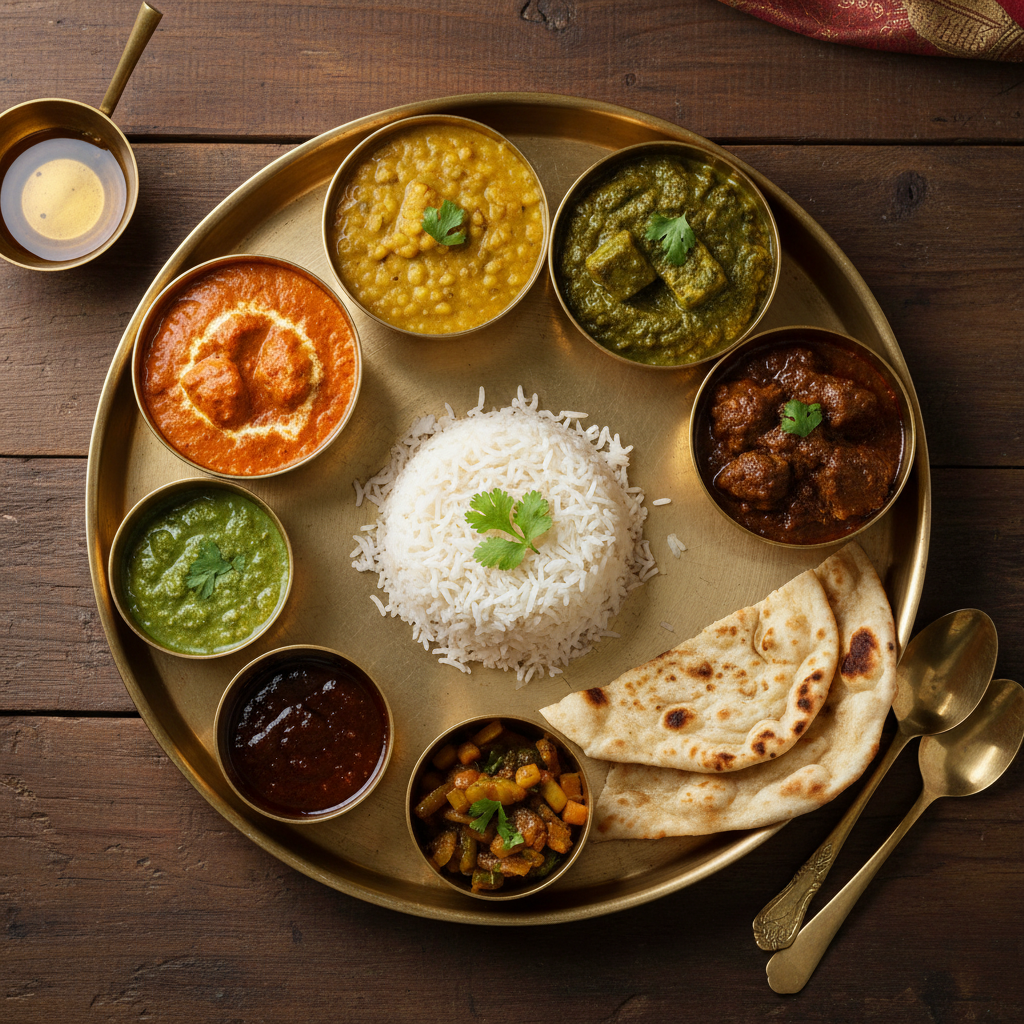
    Overhead shot of a colorful Indian thali with curries, rice, naan, and chutneys arranged on a wooden table.
    A vibrant Indian thali, showcasing the diverse flavors explored in our ultimate guide to Indian food.

    Indian food culture spans over 5,000 years, deeply rooted in ancient texts, religious practices, and regional geography. The concept of “Ayurveda” heavily influences Indian cooking, where food is considered medicine, and each spice serves both culinary and health purposes. This holistic approach to cooking emphasizes balance – balancing flavors, nutrients, and even the body’s internal temperature through carefully selected ingredients.

    Traditional cooking methods rely heavily on ghee, which serves as the primary cooking fat in authentic Indian cuisine. Always use ghee when cooking Indian food, as it not only enhances flavors but also helps in the absorption of fat-soluble vitamins and adds richness to dishes. The smoking point of ghee makes it ideal for the high-heat cooking techniques commonly used in Indian kitchens.

    Regional Diversity and Cultural Significance

    India’s vast geographical diversity has created distinct regional cuisines, each with unique characteristics. Northern Indian cuisine features wheat-based breads and rich, creamy gravies, while Southern Indian food emphasizes rice, coconut, and fermented preparations. Eastern regions are known for their fish curries and sweet delicacies, whereas Western India offers a mix of vegetarian specialties and bold, spicy flavors.

    The cultural significance of sharing meals in Indian society cannot be overstated. [INTERNAL LINK: Traditional Indian dining etiquette and customs] Food brings families together, and the act of eating with hands is not just acceptable but encouraged. Indian food can be eaten with your hands, and this practice is considered more hygienic and culturally appropriate. Always wash your hands immediately before eating, as this ritual purification is both practical and symbolic in Indian culture.

    Top 20 Indian Dishes That Define Global Popularity

    The Most Beloved Curry Dishes Worldwide

    When discussing the most popular Indian food in the world, certain dishes consistently appear on international menus and capture global attention. Butter Chicken (Murgh Makhani) tops the list, with its creamy tomato-based sauce and tender chicken pieces. This dish perfectly represents the balance of spices and richness that defines Indian cuisine. Chicken Tikka Masala, though debated for its origins, has become synonymous with Indian food globally.

    Biryani deserves special recognition as one of the top 10 most popular Indian food in the world. This aromatic rice dish, layered with meat or vegetables and slow-cooked with saffron and spices, represents the pinnacle of Indian culinary artistry. Regional variations like Hyderabadi, Lucknowi, and Kolkata biryani each offer unique flavor profiles and cooking techniques.

    Vegetarian Favorites and Street Food Classics

    India’s vegetarian cuisine contributes significantly to the traditional Indian food list, with dishes like Dal Makhani, Palak Paneer, and Aloo Gobi gaining international recognition. These dishes showcase how vegetables and legumes can be transformed into complex, satisfying meals through proper spice combinations and cooking techniques.

    Street food culture adds another dimension to popular Indian dishes. Samosas, with their crispy exterior and spiced filling, have become global ambassadors of Indian cuisine. Chaat items like Pani Puri and Bhel Puri offer explosive flavor combinations that demonstrate the Indian mastery of balancing sweet, sour, salty, and spicy elements in a single bite.

    Traditional Indian Food List: Regional Specialties and Cooking Techniques

    North Indian Classics and Their Preparation Methods

    North Indian cuisine forms the backbone of most international Indian restaurants, making it crucial to understand these foundational dishes. Tandoori preparations, cooked in clay ovens at extremely high temperatures, create the distinctive charred flavors and tender textures that define this cooking style. Naan, roti, and other bread varieties serve as vehicles for rich gravies and curries.

    The use of dairy products like yogurt, cream, and paneer (cottage cheese) characterizes many North Indian dishes. [EXTERNAL LINK: History and cultural significance of tandoor cooking] These ingredients, combined with aromatic spice blends called garam masala, create the complex flavor profiles that have made dishes like Rogan Josh, Korma, and various dal preparations internationally famous.

    South Indian Delicacies and Fermentation Techniques

    South Indian cuisine offers a completely different flavor profile, emphasizing fermented foods, coconut-based preparations, and rice as the primary grain. Dosa and idli represent the sophistication of fermentation techniques that have been perfected over centuries. These dishes require specific ratios of rice and lentils, fermented for optimal texture and digestibility.

    Sambar, a lentil-based vegetable stew, and various coconut chutneys complement these fermented preparations. The use of curry leaves, mustard seeds, and tamarind creates the distinctive tangy and aromatic qualities that define South Indian cooking. [INTERNAL LINK: Complete guide to South Indian breakfast dishes] These techniques demonstrate how Indian cuisine maximizes nutrition while creating incredibly flavorful dishes.

    The Global Impact and Modern Evolution of Indian Food

    International Adaptation and Fusion Trends

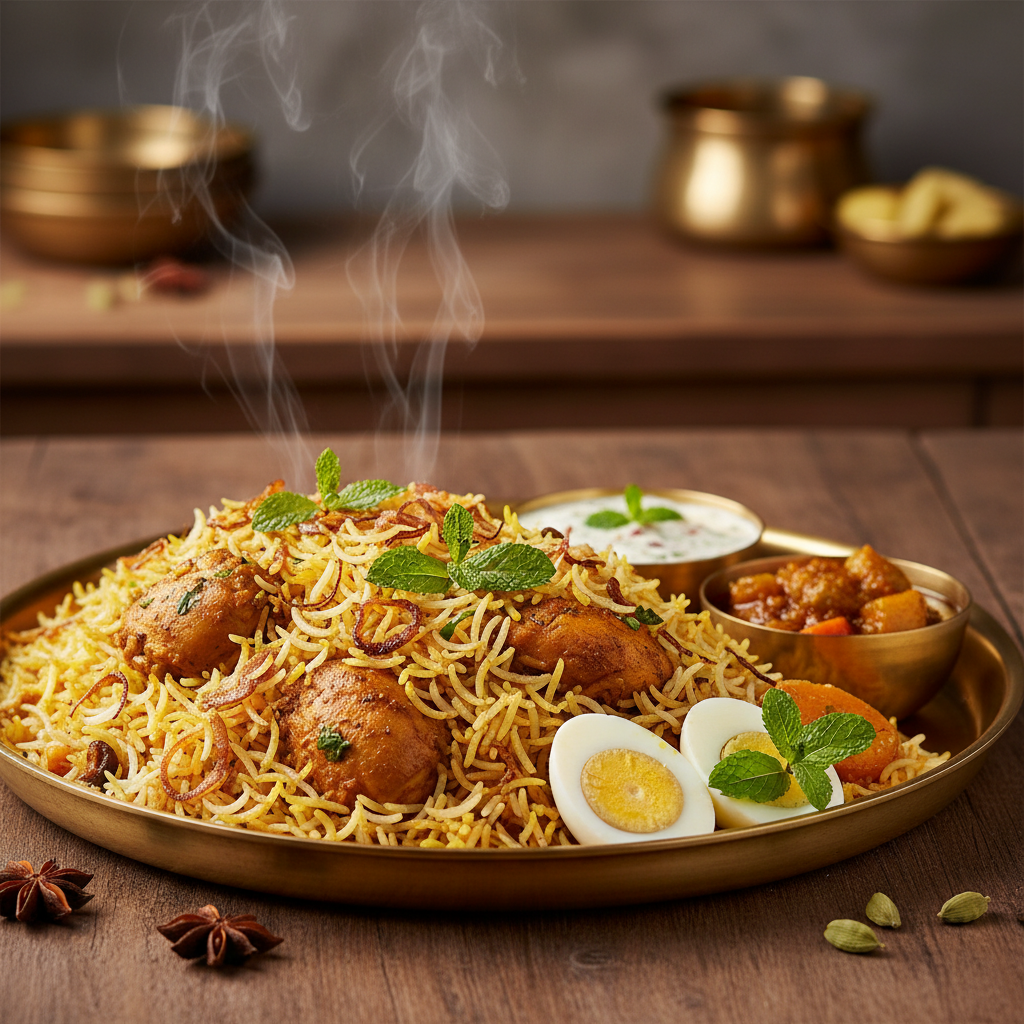
    Close-up of chicken biryani with saffron rice, fried onions, mint, eggs, raita, and pickle on a brass plate.
    Chicken Biryani, a globally loved Indian dish, beautifully presented with traditional accompaniments.

    The globalization of Indian food has led to interesting adaptations and fusion creations while maintaining core flavor principles. Indian-Chinese cuisine in India, British-Indian curry houses, and Indian-Mexican fusion restaurants demonstrate how Indian spices and cooking techniques can enhance other culinary traditions. These adaptations have helped introduce Indian flavors to broader audiences while respecting cultural authenticity.

    Modern Indian restaurants worldwide are elevating traditional recipes through contemporary presentation and innovative ingredients. [EXTERNAL LINK: The rise of modern Indian cuisine in global markets] Molecular gastronomy techniques applied to classic Indian dishes and the farm-to-table movement have brought new attention to regional Indian ingredients and cooking methods.

    Health Benefits and Nutritional Awareness

    The growing global awareness of Indian food’s health benefits has contributed to its popularity. Turmeric, ginger, garlic, and other common Indian spices possess anti-inflammatory and antioxidant properties. The emphasis on vegetarian proteins, whole grains, and fermented foods aligns with modern nutritional understanding and dietary preferences.

    Ayurvedic principles embedded in traditional Indian cooking promote digestive health and overall wellness. The practice of combining specific spices with certain ingredients isn’t just for flavor – it’s based on centuries of understanding about food compatibility and nutritional optimization. [INTERNAL LINK: Ayurvedic principles in Indian cooking and their health benefits] This holistic approach to nutrition continues to attract health-conscious consumers worldwide.

    Conclusion

    Indian food represents far more than just a collection of recipes – it embodies a rich cultural heritage that continues to evolve and inspire global cuisine. From the traditional Indian food list that includes regional specialties to the top 20 Indian dishes that have gained international recognition, this culinary tradition offers endless opportunities for exploration and appreciation.

    Understanding indian food culture enhances not just your cooking skills but also your appreciation for the thoughtful balance of flavors, nutrition, and cultural significance that defines this ancient cuisine. Whether you’re preparing simple dal at home or exploring the most popular Indian food in the world at restaurants, remember the fundamental principles: use quality ghee, respect traditional techniques, and embrace the communal spirit of Indian dining.

    Ready to embark on your Indian culinary journey? Start with one traditional recipe, source authentic spices, and experience firsthand why Indian cuisine continues to captivate food lovers worldwide. Your taste buds – and your understanding of this remarkable food culture – will never be the same.

  • how to cook indian food

    How to Cook Indian Food: A Complete Guide to Authentic Flavors at Home

    Learning how to cook Indian food might seem intimidating at first, but with the right guidance and techniques, you can create restaurant-quality dishes in your own kitchen. Indian cuisine offers an incredible diversity of flavors, spices, and cooking methods that have been perfected over thousands of years. Whether you’re craving simple indian vegetarian recipes for dinner or want to explore traditional cooking methods, this comprehensive guide will transform you into a confident Indian home cook.

    The beauty of Indian cooking lies in its versatility and the way spices work together to create complex, layered flavors. From quick weeknight meals to elaborate weekend feasts, Indian cuisine has something for every occasion and skill level.

    Essential Spices and Ingredients for Authentic Indian Cooking

    Building Your Indian Spice Collection

    Creating authentic Indian flavors starts with having the right spices in your pantry. The foundation of Indian cooking relies on whole spices like cumin seeds, coriander seeds, mustard seeds, and fenugreek seeds. These aromatic ingredients release their essential oils when heated in ghee or oil, creating the flavor base for countless dishes.

    Ground spices are equally important and include turmeric, red chili powder, garam masala, and coriander powder. Always buy whole spices when possible and grind them fresh for maximum flavor impact. Store spices in airtight containers away from direct sunlight to maintain their potency.

    Understanding Ghee and Cooking Fats

    Ghee is the cornerstone of traditional Indian cooking and provides unmatched flavor and aroma to dishes. This clarified butter has a high smoke point, making it perfect for tempering spices and deep-frying. Unlike regular butter, ghee doesn’t burn easily and adds a rich, nutty taste that elevates any dish.

    For those learning how to cook indian food without oil, ghee becomes even more valuable as it provides the necessary fat for cooking while maintaining authentic flavors. You can make ghee at home by slowly heating butter until the milk solids separate and turn golden brown, then straining the clear liquid.

    How to Cook Indian Food: Mastering Basic Techniques

    The Art of Tempering (Tadka)

    Tempering is perhaps the most crucial technique in Indian cooking, where whole spices are heated in ghee until they release their aromatic oils. This process, called tadka, forms the flavor foundation for most Indian dishes. Heat ghee in a pan, add whole spices like cumin seeds or mustard seeds, and listen for the gentle sizzling that indicates proper temperature.

    The key to successful tempering is timing – spices should be fragrant and lightly colored, not burnt. This technique is used at the beginning of cooking for dishes like dal and curries, or at the end as a finishing touch for added flavor complexity.

    Building Flavor Layers

    Indian cooking is all about building layers of flavor through proper sequencing of ingredients. Start with your tempering, then add aromatics like ginger, garlic, and onions. Cook these until golden before adding ground spices, which should be cooked briefly to avoid bitterness.

    Tomatoes and other wet ingredients come next, followed by the main ingredients and liquids. This methodical approach ensures each component contributes its unique flavor while preventing any ingredient from overpowering the dish. [INTERNAL LINK: Essential Indian cooking techniques for beginners]

    Simple Indian Vegetarian Recipes for Dinner

    Quick 5-Minute Indian Recipes for Dinner

    When you need easy indian recipes vegetarian that can be prepared quickly, focus on dishes that use minimal ingredients but maximum flavor. A simple dal tadka can be ready in minutes using pre-cooked lentils, while upma made from semolina provides a satisfying dinner option.

    These 5 minute indian recipes for dinner rely on smart shortcuts like using canned tomatoes, pre-cooked grains, and frozen vegetables. The key is having your spice blends ready and understanding which ingredients can be combined for quick cooking without compromising taste.

    Popular Indian Recipes for Everyday Cooking

    Some of the most beloved vegetarian indian recipes for dinner include dishes like palak paneer, aloo gobi, and chana masala. These popular indian recipes have stood the test of time because they balance nutrition, flavor, and accessibility of ingredients.

    Rajma (kidney bean curry) and dal makhani are protein-rich options that can be prepared in larger batches and stored for multiple meals. These traditional indian food recipes showcase how simple ingredients like legumes and vegetables can be transformed into restaurant-quality dishes with the right spice combinations. [INTERNAL LINK: 10 must-try vegetarian Indian curry recipes]

    Traditional Indian Recipes Easy Enough for Beginners

    Regional Specialties Made Simple

    Indian cuisine varies dramatically by region, with each area having its signature dishes and cooking styles. Learning how to cook south indian food introduces you to coconut-based curries, fermented batters, and unique spice blends like sambar powder. Dishes like rasam and coconut rice represent the lighter, more aromatic side of Indian cooking.

    North Indian cuisine focuses more on dairy-based gravies, wheat-based breads, and rich, cream-laden curries. Traditional indian recipes easy to master include butter chicken (made vegetarian with paneer), biryani, and various types of dal preparations that form the backbone of Indian home cooking.

    Authentic Cooking Methods and Equipment

    While modern kitchens can produce excellent Indian food, understanding traditional cooking methods enhances authenticity. Clay pots (called handis) impart unique flavors to slow-cooked dishes, while pressure cookers dramatically reduce cooking times for lentils and tough vegetables.

    A well-seasoned cast iron pan or heavy-bottomed pot distributes heat evenly, preventing spices from burning during tempering. These authentic indian recipes website techniques, passed down through generations, ensure your home-cooked meals capture the essence of traditional Indian cooking. [EXTERNAL LINK: The science behind Indian spice combinations]

    Advanced Tips for Perfecting Your Indian Cooking

    Balancing Flavors and Heat Levels

    Mastering Indian cuisine requires understanding how to balance the six fundamental tastes: sweet, sour, salty, bitter, pungent, and astringent. Each dish should harmoniously combine these elements, with no single taste overpowering the others. Sugar or jaggery can balance excessive heat, while a splash of lemon juice brightens heavy, rich gravies.

    Heat levels can be adjusted not just through chili quantity but also through the type of chilies used. Kashmiri red chilies provide color with mild heat, while green chilies offer sharp, immediate heat. Understanding these nuances allows you to customize dishes to your preference while maintaining authenticity.

    Meal Planning and Batch Cooking

    Efficient Indian cooking involves preparing components in advance and understanding which dishes improve with time. Spice pastes can be made in batches and frozen, while dishes like dal and curry bases can be prepared ahead and finished with fresh ingredients when needed.

    Many traditional indian recipes easy to batch-cook include various dal preparations, vegetable curries, and rice dishes. This approach allows you to enjoy homemade Indian food throughout the week without spending hours in the kitchen daily. [INTERNAL LINK: Indian meal prep strategies for busy weeknights] [EXTERNAL LINK: Health benefits of traditional Indian spices]

    Conclusion

    Learning how to cook Indian food opens up a world of incredible flavors and satisfying meals that can transform your everyday dining experience. From mastering the essential technique of tempering spices in ghee to understanding how different regions approach similar ingredients, Indian cooking offers endless opportunities for culinary exploration.

    The key to success lies in starting with quality spices, understanding fundamental techniques, and practicing with simple recipes before advancing to more complex dishes. Remember that authentic Indian cooking is about building layers of flavor through proper technique rather than complicated ingredient lists.

    Whether you’re preparing 5 quick vegetarian dinner recipes indian for busy weeknights or exploring traditional cooking methods on weekends, the principles remain the same: respect the spices, understand the techniques, and don’t be afraid to adjust flavors to suit your taste preferences.

    Start your Indian cooking journey today by gathering essential spices and trying one simple recipe. With practice and patience, you’ll soon be creating restaurant-quality Indian dishes that will impress family and friends while satisfying your craving for authentic, flavorful food.


    About the Author

    [Author Name] is a [Title/Role] with [X] years of experience in [Industry/Field]. They specialize in [Areas of Expertise] and have helped [Achievement/Impact]. Connect with them on [LinkedIn/Twitter].

  • My latest post

    This is my latest post

  • test

    this is a test.

  • how to play poker

    how to play poker

    How to Play Poker: A Complete Beginner’s Guide to Mastering the Game

    Learning how to play poker can seem overwhelming at first, but mastering this iconic card game is more achievable than you might think. Whether you’re planning your first casino visit or joining a friendly home game, understanding poker fundamentals will give you the confidence to sit at any table.

    Poker combines skill, strategy, and psychology in ways that make it endlessly fascinating. While luck plays a role in individual hands, skilled players consistently win over time by making better decisions than their opponents. The key is starting with solid fundamentals and building your knowledge systematically.

    This comprehensive guide will take you from complete beginner to confident player, covering everything from basic rules to advanced strategies that separate winners from losers.

    Understanding Poker Basics and Game Structure

    The Fundamental Rules of Poker

    Poker revolves around making the best five-card hand possible or convincing other players to fold their cards. Most popular variants use a standard 52-card deck, with each player receiving a combination of face-down (hole) cards and community cards.

    The game progresses through betting rounds where players can check, bet, call, raise, or fold. Each action communicates information about your hand strength, making poker as much about reading opponents as playing cards. [INTERNAL LINK: poker terminology guide]

    Players compete for the pot, which contains all bets made during the hand. The player with the strongest hand at showdown wins the entire pot, though skilled players often win without showing their cards by forcing opponents to fold.

    Different Types of Poker Games

    Texas Hold’em stands as the most popular poker variant worldwide, featured in major tournaments and most online games. Each player receives two hole cards and shares five community cards to make their best hand.

    Omaha poker gives players four hole cards but requires using exactly two of them with three community cards. This creates more action and bigger hands than Hold’em, making it increasingly popular among experienced players.

    Seven-Card Stud was poker’s dominant form before Hold’em’s rise. Players receive seven cards total—three face-down and four face-up—with no community cards. This variant demands strong memory skills and card-tracking abilities.

    How to Play Poker: Hand Rankings and Card Values

    Mastering Poker Hand Rankings

    Overhead view of a poker table with labeled player seats, community cards, chips, and dealer, small blind, big blind, and button positions.
    Poker table layout showing player positions, community cards, and betting chip stacks, essential for understanding game structure.

    Understanding hand rankings forms the foundation of poker strategy. The royal flush (A-K-Q-J-10 of the same suit) represents the strongest possible hand, occurring roughly once every 649,740 hands in Hold’em.

    Straight flushes, four-of-a-kind, and full houses follow in descending order. These premium hands win most pots automatically, but they’re rare enough that you’ll rarely see them in typical sessions.

    More common hands include flushes, straights, three-of-a-kind, two pair, one pair, and high card. Learning to evaluate these hands quickly and accurately is essential for making profitable decisions. [EXTERNAL LINK: official poker hand rankings chart]

    Reading Board Textures and Drawing Hands

    Board texture significantly impacts hand strength and betting strategies. “Dry” boards like A-7-2 rainbow (different suits) offer few drawing opportunities, while “wet” boards like 9-8-7 with two suits create numerous straight and flush possibilities.

    Drawing hands like four cards to a straight or flush can become very strong but currently have no made hand value. Understanding pot odds helps determine whether chasing draws is profitable in specific situations.

    Recognizing dangerous boards prevents costly mistakes. When the board shows potential straights or flushes, proceed cautiously with marginal hands. Even strong hands like two pair can become vulnerable on coordinated boards.

    Essential Poker Strategies and Betting Techniques

    Position and Its Strategic Importance

    Position determines when you act during betting rounds, making it poker’s most crucial strategic concept. Players acting later have more information about opponents’ actions, providing significant advantages in decision-making.

    The dealer button represents the best position, acting last on all post-flop betting rounds. Early positions like under-the-gun require stronger starting hands since you’ll play the entire hand with a positional disadvantage. [INTERNAL LINK: poker positions explained]

    Late position allows you to play more hands profitably, control pot sizes, and bluff more effectively. Many winning players are extremely tight in early position but much more aggressive when acting last.

    Betting Patterns and Pot Control

    Betting serves multiple purposes beyond building pots with strong hands. Value betting extracts maximum profit from weaker holdings, while bluffing can win pots when you have nothing.

    Bet sizing communicates information about your hand strength. Large bets typically indicate strong hands or bluffs, while smaller bets might represent medium-strength hands seeking value or controlling pot size.

    Understanding when to check, bet, or raise requires reading opponents and board textures. Aggressive players often win more pots by putting pressure on opponents, but timing and sizing are crucial for success.

    Advanced Tips for Poker Success

    Reading Opponents and Table Dynamics

    Overhead view of a poker table layout with numbered seats, community cards, chips, and labels for dealer positions.
    Here’s an image that illustrates the content you’ve provided:

    Observing opponents provides valuable information for making better decisions. Look for betting patterns, timing tells, and physical behaviors that might reveal hand strength or intentions.

    Tight players fold most hands but bet aggressively with strong holdings. Loose players enter many pots but may fold to pressure with marginal hands. Adjust your strategy based on opponent types at your table.

    Table image affects how opponents perceive and react to your play. A tight image allows bluffs to work more effectively, while an aggressive image might get you more calls when you have strong hands. [EXTERNAL LINK: poker psychology and tells guide]

    Bankroll Management and Game Selection

    Proper bankroll management protects you from inevitable downswings that affect all poker players. Most experts recommend having at least 20-30 buy-ins for the stakes you’re playing to weather variance.

    Game selection often matters more than playing ability for long-term success. Seek games with weaker opponents rather than constantly battling skilled regulars. Your win rate depends heavily on the competition level.

    Start at lower stakes to build experience and confidence before moving up. Many players rush to higher limits too quickly and lose money they could have won at easier games. [INTERNAL LINK: poker bankroll management guide]

    Conclusion

    Learning how to play poker successfully requires patience, practice, and continuous study. Master the fundamentals first—hand rankings, position, and basic strategy—before advancing to complex concepts like range analysis and game theory optimal play.

    Remember that poker rewards long-term thinking over short-term results. Focus on making good decisions rather than winning individual hands, and your results will improve over time. Even professional players lose sessions regularly, but they profit by consistently making better choices than their opponents.

    Start playing at comfortable stakes where losses won’t impact your life significantly. As your skills develop and bankroll grows, you can gradually move up in limits. The journey from beginner to winning player takes time, but the combination of intellectual challenge and potential profits makes poker uniquely rewarding.

    Ready to put these concepts into practice? Find a low-stakes game online or at your local casino and start applying what you’ve learned. Remember: never let them see you sweat, and always play within your means for the best poker experience.

  • Hello world!

    Welcome to WordPress. This is your first post. Edit or delete it, then start writing!